
Metacognition and Self-Regulation Classroom Toolkit
Practical resources for developing independent learners
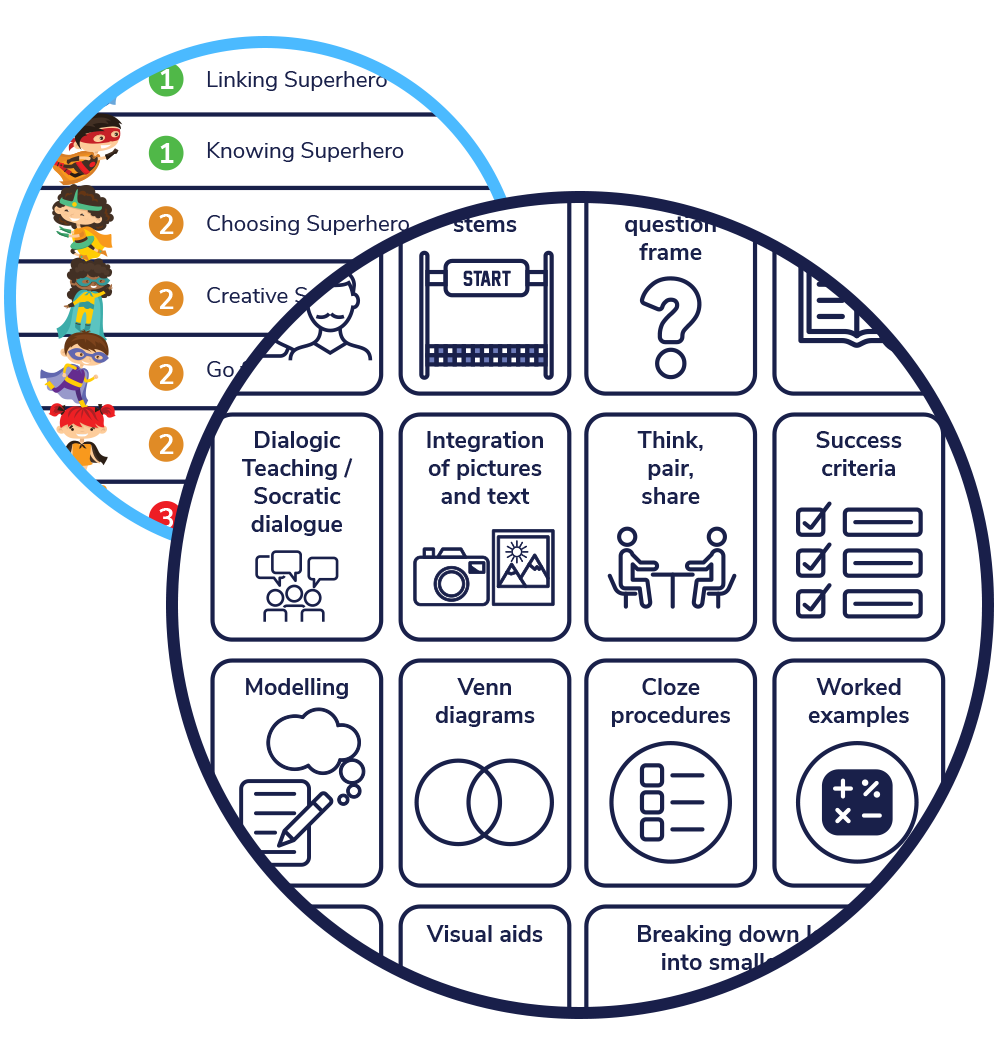
Access a growing collection of evidence-informed metacognition and self-regulation resources designed to help teachers and school leaders turn research into classroom practice. From PCCME™ tools and classroom resources to materials supporting whole-school development, the Toolkit is designed to make metacognitive teaching practical, purposeful and easier to implement.
What's inside the Toolkit?
Resources will support areas including:
PCCME™ — practical tools for Plan, Connect, Check, Monitor and Evaluate.
Metacognitive teaching — resources for modelling thinking, questioning and making learning processes more visible.
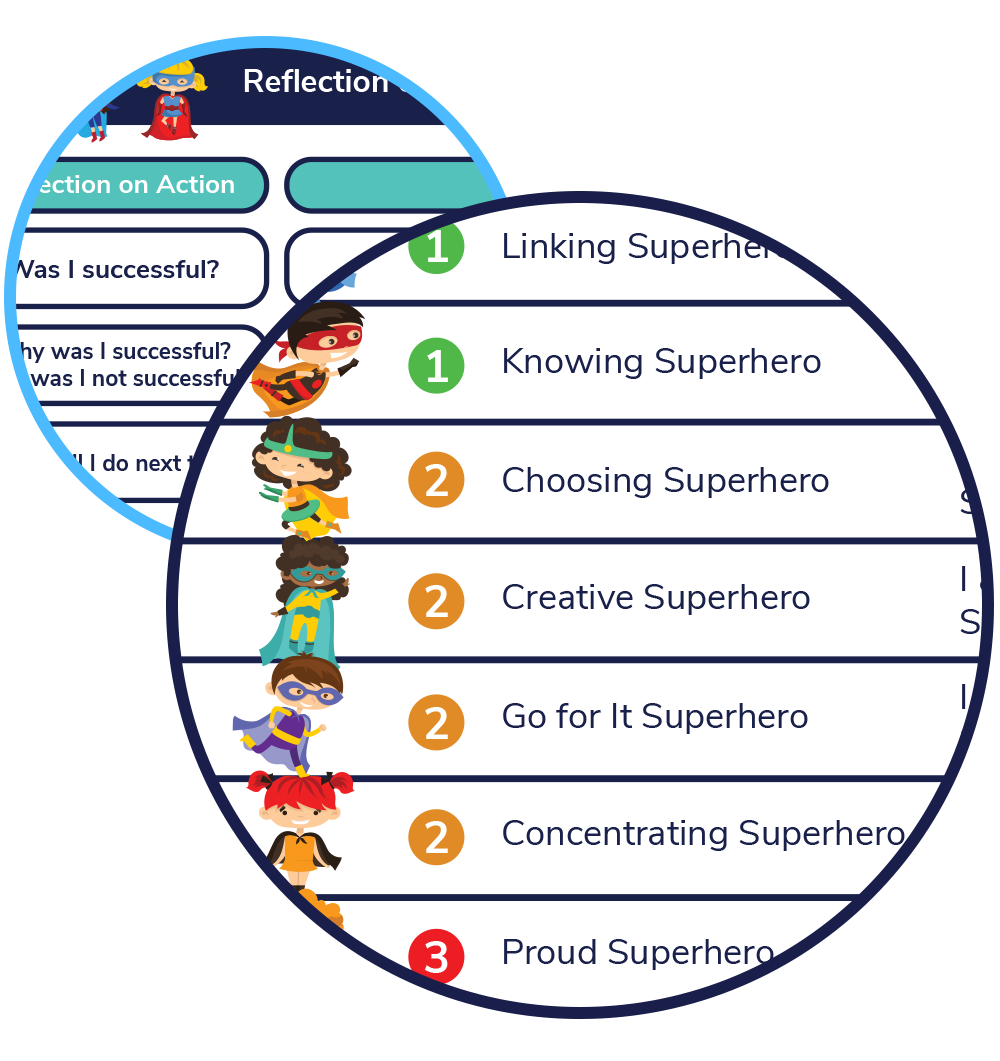
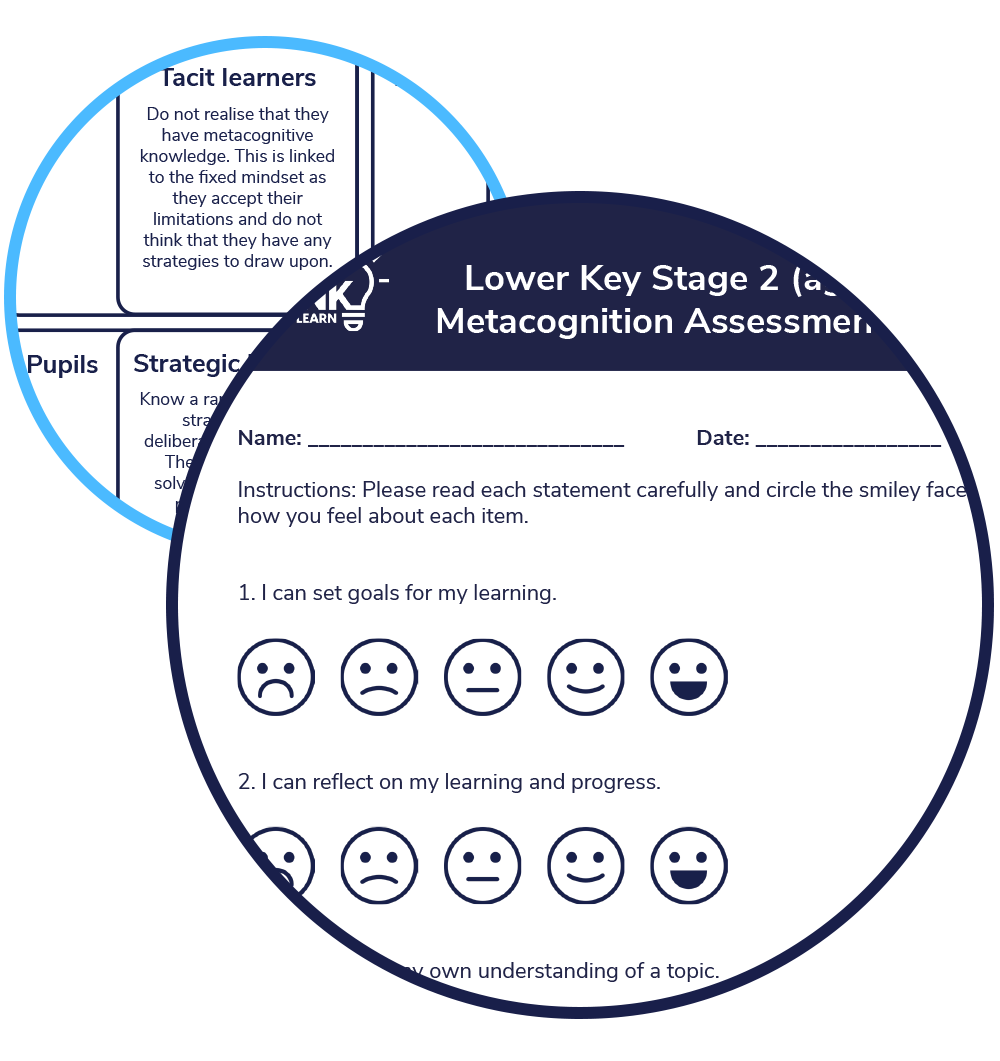
Self-regulated learning — tools to support pupils as they plan, monitor and evaluate their learning.
Independent learning — resources designed to gradually reduce reliance on adult support.
Whole-school development — materials to help school leaders develop a shared understanding of metacognition and self-regulated learning.
Choose Your Membership
Free
Start exploring the Toolkit – Access a selection of free metacognition and self-regulation resources and discover how the Toolkit could support your practice.
Teacher
Bring metacognition into everyday classroom practice – £39.99 per year – Get full access to the Classroom Toolkit, including resources supporting PCCME™, metacognitive teaching, self-regulated learning and learner independence. New resources will be added as the Toolkit grows.
School Leader
Develop metacognition across your school – £79.99 per year – Access the complete Classroom Toolkit alongside resources designed specifically for leadership, implementation and professional learning. Use the materials to support a shared approach to metacognition and self-regulated learning across your school.
Memberships will be available soon.
More than a Collection of Resources
The Classroom Toolkit isn’t about giving pupils more worksheets or surrounding them with metacognitive prompts.
The resources are designed to support explicit teaching, modelling, scaffolding and guided practice, helping pupils understand more about themselves as learners.
As their metacognitive knowledge and self-regulation develop, the aim is for pupils to become less dependent on external prompts and increasingly able to regulate their own learning.
The goal isn’t better prompting. It’s greater learner independence.
Built around PCCME™
Plan. Connect. Check. Monitor. Evaluate.
PCCME™ provides a practical framework for making aspects of metacognitive thinking more visible.
It is not a linear five-step process. Learners can move between and revisit the different elements according to the task, their understanding and what happens during learning.

Join for Free

Join As a Teacher